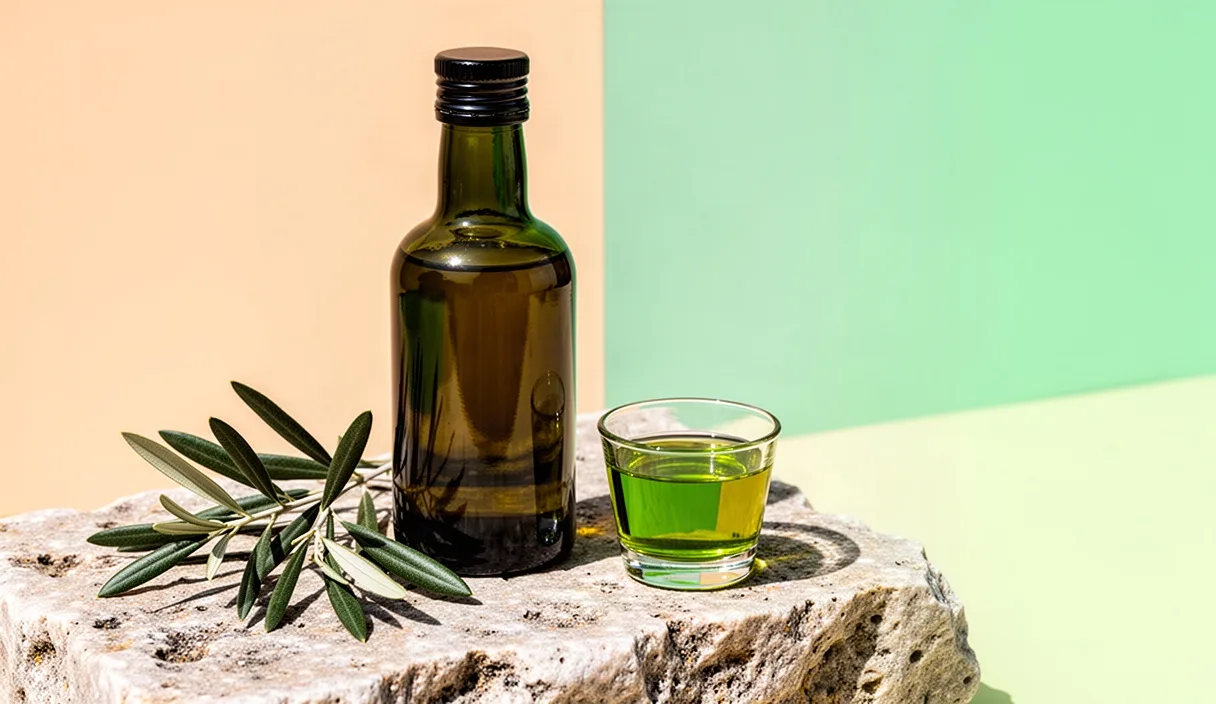
Around late October, when the damp cold rolls off the river and settles into the stone flags of Borough Market, the first green-gold tins of the new harvest begin to appear on the trestle tables. A buyer who knows what they want does not look at the medals printed on the tin or the embossed family crests. They walk straight past the generic supermarket blends, turn the bottle around to the small print on the back slip, and look for two specific data points: the harvest window and the mill registry. Single-estate extra virgin olive oil is not an ambient cooking grease. It is fresh fruit juice pressed under pressure, carrying a chemical footprint determined entirely by the weather of that particular summer, the exact week of picking, and the estate mill's mechanical skill.
The defining marker of these exceptional estate pressings is their phenol concentration. Phenolic compounds, notably oleocanthal, oleacein, and complex secoiridoids, dictate the pungency, the bitterness, and the shelf stability of the oil. They are the natural antioxidants that protect the fat from turning rancid on the kitchen shelf, yet they are also the compounds that cause novices to cough and complain that an oil is too sharp. Learning to read these oils through their chemistry rather than their label copy transforms how you buy, how you cook, and how you taste food in your own kitchen.
Checking harvest dates versus packing dates
The most common deception in modern oil marketing rests on the difference between the day the olive leaves the branch and the day the oil enters a glass bottle. A bottle marked with a "Best Before" date of June 2026 tells you almost nothing about the age of the liquid inside. Industrial distributors routinely store bulk oil in large stainless steel nitrogen-sparged tanks for fourteen, eighteen, or even twenty-six months before running it through a bottling line. The packing date simply reflects the morning the line ran, not the season the tree bore fruit.
A true single-estate producer operates on agricultural cycles, not supply-chain schedules. When looking for high-phenolic oils, demand an explicit harvest date, typically stated as a two-month bracket such as October-November 2024 or an exact harvest year. Olives picked early in the season, while the skins are still predominantly green and turning purple, yield far lower juice volumes per tonne of fruit, but their total phenol counts frequently exceed 450 milligrams per kilogram. By contrast, fruit gathered in January when fully black drops from the branch easily and yields plenty of oil, but the phenolic levels often plummet below 140 milligrams per kilogram.
| Harvest Period | Fruit Maturity | Average Phenol Range (mg/kg) | Tasting Profile |
|---|---|---|---|
| Late September to Mid-October | Green, unripe | 520 to 880 | Aggressive throat catch, cut nettle, green artichoke |
| Late October to Mid-November | Veraison (half-green, half-purple) | 310 to 490 | Balanced leafiness, green almond, firm peppery finish |
| December to Mid-January | Fully ripe, black | 90 to 210 | Soft, buttery, ripe apple, minimal throat sting |
If you see an oil labeled with a packing date but no mention of the harvest season, assume the oil is an aggregate of older pressings. Check also for the specific estate mill name. An estate that processes its own crop within six hours of harvesting preserves fragile polar phenols that degrade rapidly if fruit sits warm in plastic field crates over a damp weekend.
The physiological cause of peppery throat bitterness
Take a teaspoon of early-picked Coratina, Picual, or Moraiolo oil into your mouth, draw in air across your tongue, and swallow. Within two seconds, you will experience an unmistakable rasping sensation at the posterior pharynx, often followed by an involuntary cough. This sensation is not acidity, nor is it an allergic reaction. It is a precise pharmacological interaction between oleocanthal and a sensory receptor named TRPA1, which lines the human throat.
The TRPA1 receptor is the exact ion channel that registers the burn of mustard oil, wasabi, and garlic. Interestingly, this receptor is absent on the human tongue and cheeks; it concentrates specifically in the throat and larynx. When oleocanthal molecules strike these receptors, they trigger an inflammatory-like defense signal, tricking your nervous system into sensing an acute irritant. Professional tasters calibrate their palate by the number of coughs an oil produces: a "one-cough" oil indicates moderate phenol presence, while a "three-cough" oil signals an oleocanthal density that can test the endurance of an unaccustomed palate.
Bitterness, which registers across the circumvallate papillae at the back of the tongue, is driven by related compounds, primarily oleuropein aglycone and oleacein. Consumers raised on refined seed oils or industrially stripped supermarket olive oils frequently mistake this bitterness for a flaw, associating it with rancidity. In truth, true rancidity tastes like stale walnuts, old crayons, or tallow, coating the mouth with a greasy, flat film. Phenolic bitterness is clean, sharp, and vanishes rapidly once swallowed, leaving behind a sensation reminiscent of chewing raw chicory or dandelion stems.
Raw cup evaluation versus cooked fat behavior
Assessing oil on the kitchen counter requires stripping away visual prejudice. Professional tasting panels use cobalt blue glasses precisely because color tells you nothing about phenolic quality. A brilliant neon green can be artificially simulated through leaf-milling or chlorophyll retention, while a pale straw-yellow oil pressed from chalky limestone soils can deliver an intense phenolic bite.
To evaluate an estate bottle at home, carry out the following procedure:
- Warming the sample: Pour roughly fifteen milliliters of oil into a small, round-bottomed glass or ceramic cup. Cover the top with your palm and cup the base with your other hand, swirling it gently for two minutes to bring the liquid to roughly twenty-eight degrees Celsius.
- Assessing the volatilized aroma: Lift your palm, bring the rim immediately to your nose, and inhale deeply through both nostrils. Take note of whether you smell cut lawn, wet hay, green tomato stalk, or fermentation notes like bruised orchard apples.
- The strippaggio breath: Take a small sip of about five milliliters. Spread the oil across your tongue without swallowing, clench your teeth lightly, and draw short, sharp breaths of air through your teeth and lips. This vaporizes the phenolic fraction, driving it into the retronasal passage.
- The throat swallow: Swallow slowly, noting where the peppery prickle strikes your throat and counting how many seconds the warmth lingers on the mucosa.
The behavior of these phenolic compounds alters completely once heat is introduced. Phenols are volatile and heat-sensitive; they degrade steadily when exposed to high pan temperatures. If you pour a three-hundred-milligram phenol oil into a heavy cast-iron skillet at one hundred and ninety degrees Celsius, you will volatilize its most delicate top notes into the kitchen extract fan within sixty seconds.
However, high-phenolic oils possess greater oxidative stability than light, late-harvest oils during moderate cooking. The high concentration of natural antioxidants sacrifices itself to protect the mono-unsaturated oleic acid chains from forming lipid peroxides. For long, gentle braises, such as leeks stewed slowly in an enameled pot, an estate oil with robust phenols will leave behind an earthy, complex backbone long after its raw peppery bite has softened into rich, vegetal sweetness.
Pairing high-phenolic oils with bitter greens and beans
Using a high-phenol oil as an all-purpose fat will ruin delicate ingredients. Drizzled over fresh sole, poached eggs, or raw burrata, an early-harvest oil will obliterate the clean, lactic sweetness of the food, leaving only an aggressive, scratchy aftertaste. These oils demand ingredients that possess enough starch, bitterness, or animal fat to push back against their sharp edges.
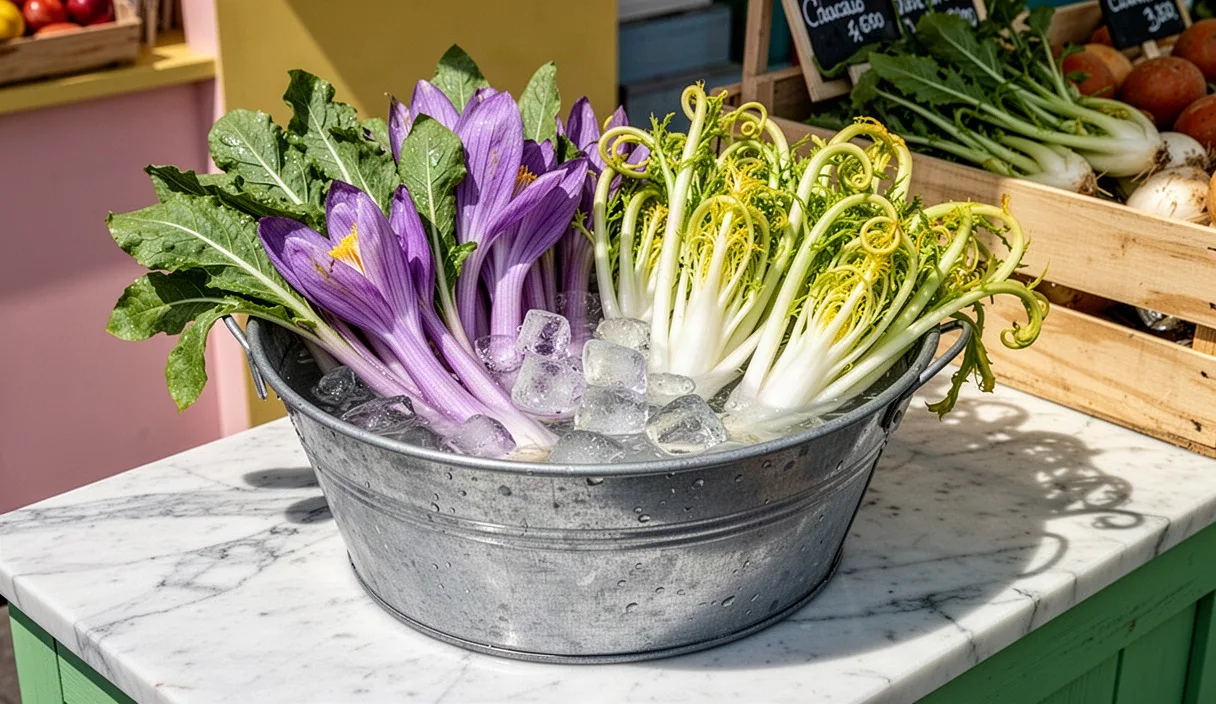
Bitter winter greens are the natural culinary partner for aggressive estate oils. Consider cavolo nero, catalogna chicory, or wild turnip tops stripped from their woody stems. When blanched in salted water and dropped into a warm pan with cracked garlic, their inherent glucosinolates mirror the bitter secoiridoids of the oil. The oil does not fight the greens; instead, the fat coats the tongue, softening the plant's astringency while the peppery finish of the oil provides an aromatic top note that vinegar or lemon juice cannot match.
Dried pulses provide another ideal structure for high-phenolic fats. A bowl of slow-simmered Castelluccio lentils, white cannellini, or split yellow peas contains dense vegetable starches and soluble fibers that absorb the oil. When poured raw over steaming beans right at the dinner table, the heat of the legumes releases the grassy volatiles of the oil without boiling off its antioxidants. The starch binds the harsher bitter compounds, leaving behind the rich, nutty core of the olive alongside a lingering prickle of black pepper.
For grilled red meats, particularly skirt steak, mutton chops, or venison haunch cooked over hardwood charcoal, a high-phenolic oil functions like an herb sauce. The rendered animal fat acts as a buffer against the oleocanthal bite, while the oil's grassy, medicinal finish cuts through dense, metallic iron flavors in the meat.
Countertop storage habits that preserve aroma
Once you break the seal on a dark glass bottle of estate oil, an invisible clock starts ticking. The four enemies of olive oil phenols are light, heat, oxygen, and resting time. Phenols act as free-radical scavengers; the moment oxygen enters the headspace of the bottle, those polyphenols begin sacrificing themselves to neutralize oxidative chain reactions. Within sixty days on a warm worktop, a bottle that left the mill at four hundred milligrams per kilogram can lose forty percent of its phenolic strength.
Where you position your bottle in the kitchen matters more than almost any other kitchen habit. Storing oil beside a gas range or on a shelf directly above an oven ensures that the bottle sits in an ambient temperature zone of twenty-four to thirty degrees Celsius, accelerating fatty acid breakdown. Clear glass decanters or glass pouring cruets with open spouts are disastrous: light strikes the oil, activating chlorophyll molecules which then act as photo-oxidants, destroying the very lipids they once protected.
Adopt these strict handling rules to preserve the estate character of your oil:
- Select dark or shielded vessels: Keep oil in dark amber, dark green, or tinplate containers. Never decant oil into clear decorative glass flasks.
- Maintain cool, stable storage: Keep your working bottle in a closed, dark larder cupboard held between fourteen and eighteen degrees Celsius. If your kitchen runs warm during summer, find an interior cupboard away from outside walls and heat-generating appliances like refrigerators.
- Cap the bottle immediately: Never leave an open pour-spout on a fine bottle. Use the original screw cap with its plastic insert, or a dedicated flip-top pourer with a tight silicone gasket that seals the neck whenever the bottle is upright.
- Buy appropriate volumes: Never buy a five-litre tin unless you plan to divide it immediately into clean, dry, dark glass half-litre bottles filled right to the lip and capped securely. For ordinary household use, purchase half-litre or seven-hundred-and-fifty-milliliter bottles that you can finish within four to six weeks of opening.
Common mistakes
The most pervasive error among home cooks is saving high-end estate oil for special occasions. An open bottle left tucked away in a dark cupboard for eleven months is not aging gracefully like a fine nebbiolo; it is decaying into odorless, oxidized fat. Phenols are transient. The bottle is at its peak the second you pull the seal, and it should be used with generous abandon over the subsequent month.
Another frequent mistake is judging quality by fluidity or viscosity. Some cooks believe that thick, viscous oil is richer or of higher grade. Viscosity is governed largely by ambient temperature and cultivar genetics, not chemical virtue. An oil that feels lighter on the tongue may possess three times the antioxidant density of a sluggish, heavy oil pressed from over-mature fruit.
Finally, avoid storing oil in the household refrigerator. While cold temperatures do slow oxidation, dropping below eight degrees Celsius causes triglycerides to crystallize and precipitate out of solution. Repeated cycles of chilling, solidifying, and warming cause condensation inside the headspace of the bottle, introducing moisture that accelerates enzymatic hydrolysis and leads to musty, defective flavors.
Practical next steps
To deepen your understanding of single-estate pressings, begin by purchasing two distinctly different oils from the same harvest year. Seek out an early-harvest oil from an aggressive cultivar known for elevated phenols, such as a Tuscan Frantoio or a Spanish Picual, and place it beside a delicate, late-harvest oil such as a Ligurian Taggiasca or an Arbosana.
Conduct a side-by-side tasting using the cup evaluation method outlined above, without bread or salt to obscure the fat. Pay attention to the location of the sensation in your mouth: note where the bitterness registers on the edges of the tongue, and note the physical delay before the peppery scratch hits the larynx. Record the harvest date and mill name in a kitchen notebook for future reference.
If you suspect an oil has failed chemically, or if you require precise polyphenol metrics for strict dietary or therapeutic guidelines, consult an accredited oil laboratory or an official panel test certified by the International Olive Council rather than trusting marketing claims printed on the label. Once your palate recognizes the distinct signature of early-season phenols, you will never view olive oil as a mere pan lubricant again.