Field & Fork Editorial
ARTICLES
Featured

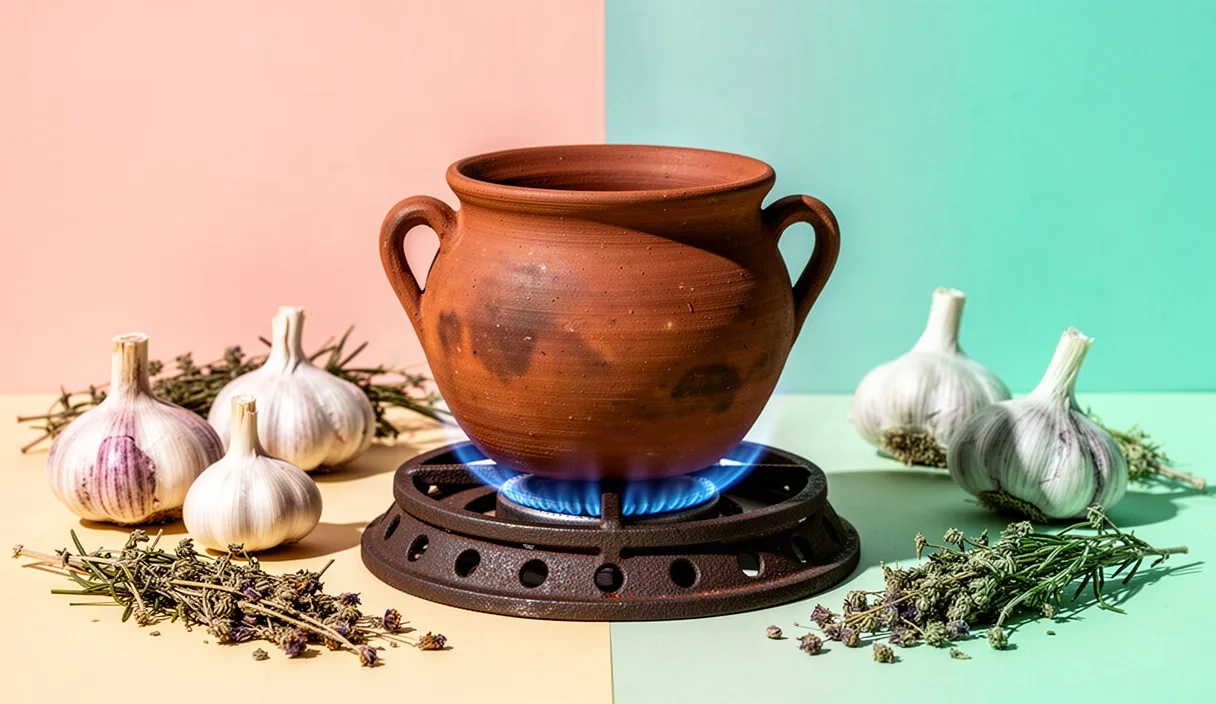
Working with Raw Clay Pots on Standard Gas Burners

You will learn how to season untamed earthenware and stabilize heat on ordinary metal grates without cracking the vessel. Discover how porous clay alters cooking broths and keeps braises tender over low heat.

Read article 10 min read
Working with Raw Clay Pots on Standard Gas Burners

Fresh From the Markets and Stoves

All articles
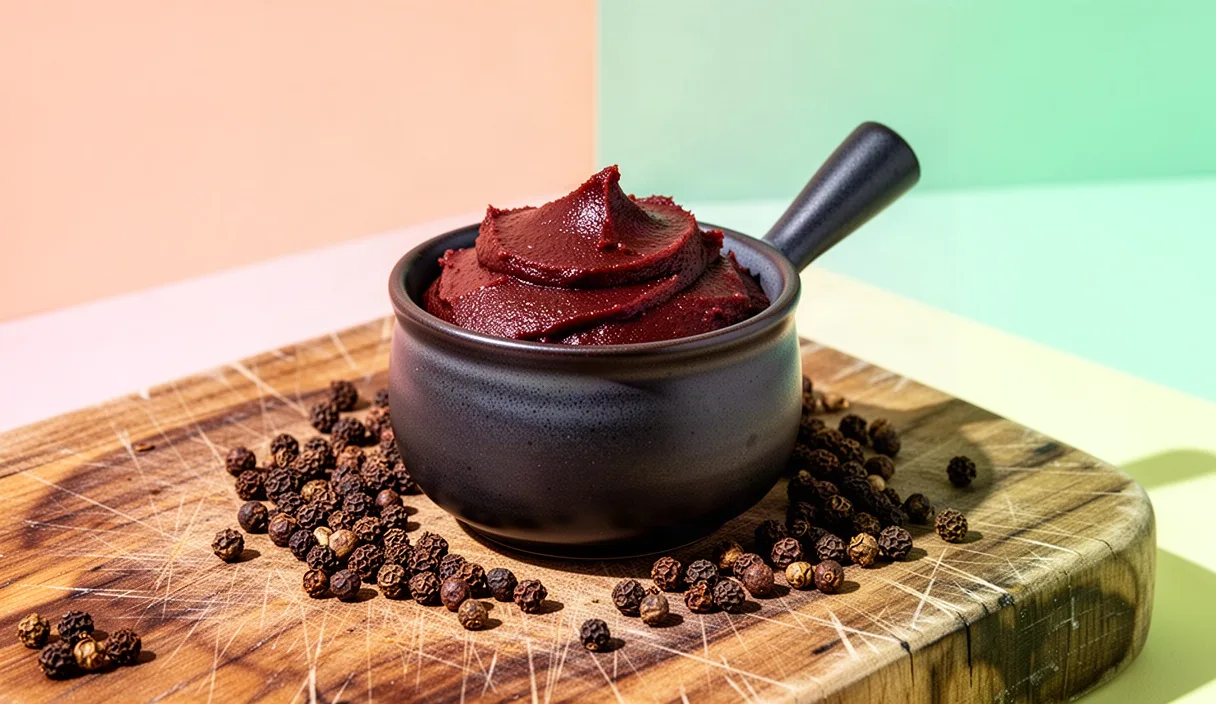
Sichuan Pixian Doubanjiang: Sourcing and Frying Guide
Pantry Provenance10 min read

Sichuan Pixian Doubanjiang: Sourcing and Frying Guide

You will decode market packaging to find true aged broad-bean chili paste and master frying it to release vivid crimson oil. Learn how aging brackets alter saltiness and when to introduce it to your wok.

Oaxaca Mole Negro: Replicating Burnt Chiles Safely
The Global Table at Home11 min read

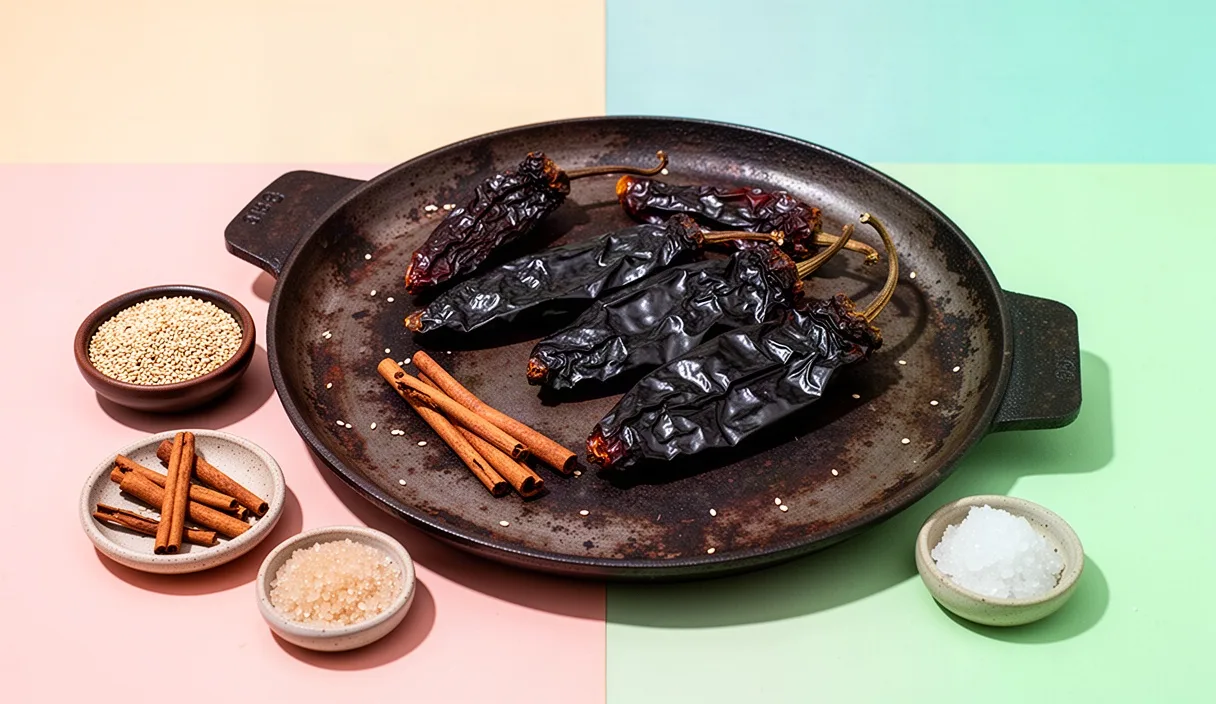
Oaxaca Mole Negro: Replicating Burnt Chiles Safely

You will char dried pasilla and chilhuacle peppers indoors without setting off alarms or ruining the sauce with acrid bitterness. Master the cold soaking technique that strips harsh soot while keeping deep earthy sweetness.

Distinguishing Single-Estate Olive Oils by Phenols
Market and Terroir Notes10 min read

Distinguishing Single-Estate Olive Oils by Phenols

You will read harvest dates, varietal labels, and back-of-bottle data to select bottles rich in natural antioxidants. Learn how peppery throat catches signal freshness and match assertive oils to sturdy legumes.

Making Georgian Khmeli Suneli from Whole Spices
Pantry Provenance11 min read

Making Georgian Khmeli Suneli from Whole Spices

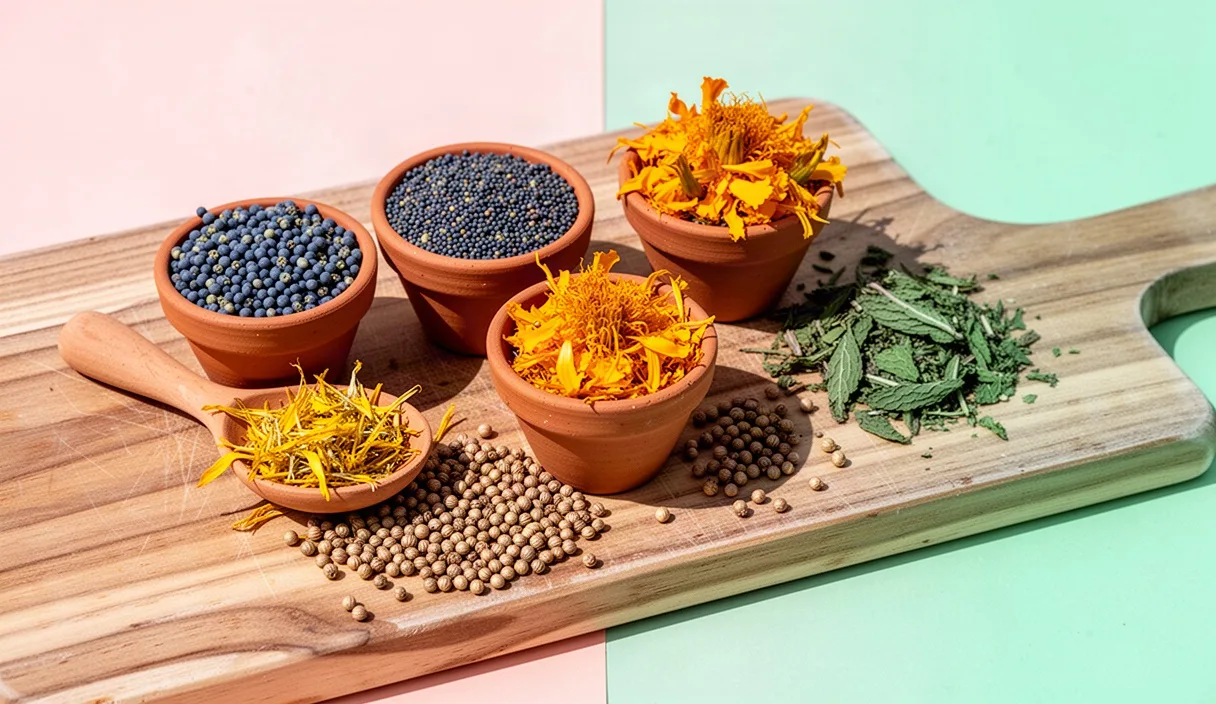
You will balance dried blue fenugreek, marigold petals, and coriander seeds to build this signature Caucasus spice mixture from scratch. Bring the grassy, honeyed aroma of Tbilisi bazaars into your braises and walnut dressings.

Start here

More on Technique and Fire

Practical cooking methods adapted from traditional hearths to everyday domestic burners and pans.

All field notes on this subject

More on Pantry Provenance

Guides to buying, identifying, and understanding regional vinegars, ferments, spices, and staple goods.

All field notes on this subject

More on Market and Terroir Notes

Explorations of soil, microclimates, and regional produce varieties from neighborhood stalls around the globe.

All field notes on this subject

Browse by topic

Who writes here

We test every process multiple times over domestic hobs to ensure honest results, recording exact flame behaviour, aromas, and resting periods.
Marcus Hetherington Marcus HetheringtonSenior Culinary Editor and Field Researcher

Questions readers ask

how to choose the best olive oil for cooking

Select unfiltered extra virgin oil pressed within the last twelve months from a named single region. Check for a pleasant peppery kick at the back of the palate, which signals fresh extraction without aged heat degradation. We publish direct profiles of small regional pressings twice a year.

what is stoneground heritage flour made of

Stoneground heritage flour contains the entire grain berry, including the nutrient-dense germ and natural bran, ground between millstones. This method avoids artificial bleaching agents and roller separation. It yields deeper flavours and requires higher water hydration during bread kneading.

how long does whole dried kampot pepper last

Whole dried peppercorns retain their fragrant volatile oils for up to two years when kept in an airtight glass jar away from direct sunlight. Once cracked in a pestle and mortar, the aromas disperse rapidly. We recommend grinding immediately prior to seasoning.

how to order and pay for print editions

Select the required field journal volume through our publication portal and enter your postal address. We accept payment via cash on delivery upon arrival or via advance bank transfer. We do not process card payments or instalments.

About Field and Fork Editorial

We are food researchers and cooks who explore neighborhoods, harbors, and mountain gardens to find honest regional flavor. We write for curious home cooks who want true culinary roots without romantic fluff or complicated equipment. Every recipe and sourcing note runs through three rounds of stove tests in modest city kitchens before appearing here.

About us

Write to the Editorial Kitchen

Send in inquiries, local ingredient leads, or recipe questions. We welcome direct notes from fellow home cooks, growers, and market regulars.

Working hours

Mon-Fri 09:00-18:00, Sat 09:00-13:30

Expected response time

Response within one business day

Send us a message